
In Vedic astrology, gemstones are traditionally associated with the nine planets, or Navgraha. According to this tradition, wearing a gemstone connected with a suitable planetary influence may be used as a spiritual and astrological remedy.
However, choosing a gemstone should not be based only on its color or appearance. Traditionally, an astrologer considers factors such as your birth date, birth time, birth place, zodiac chart, planetary positions, and the strength of different planets before recommending a gemstone.
What Are Vedic Gemstones?
Vedic gemstones are precious and semi-precious stones traditionally connected with specific planets in Vedic astrology.
The nine primary planetary gemstones are:
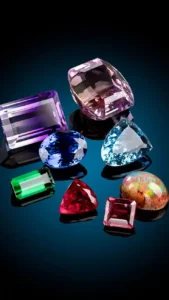
| Planet | Traditional Gemstone |
|---|---|
| ☀️ Sun | Ruby |
| 🌙 Moon | Pearl |
| 🔴 Mars | Red Coral |
| ☊ Rahu | Hessonite |
| 🟢 Mercury | Emerald |
| 🟡 Jupiter | Yellow Sapphire |
| ♀️ Venus | Diamond |
| 🪐 Saturn | Blue Sapphire |
| ☋ Ketu | Cat’s Eye |
Each gemstone has its own traditional symbolism, color, and astrological association.
1. Ruby – Gemstone of the Sun ☀️
Ruby is traditionally associated with the Sun.
It is often connected with qualities such as confidence, leadership, vitality, authority, and self-expression.
People interested in Ruby traditionally choose it when the Sun is considered significant in their birth chart.
- Traditional association: Sun
Color: Red
Common gemstone: Ruby
2. Pearl – Gemstone of the Moon 🌙
Pearl is traditionally associated with the Moon.
It is commonly connected with emotional balance, calmness, sensitivity, intuition, and peace of mind in traditional astrology.
Traditional association: Moon
Color: White/Cream
Common gemstone: Natural Pearl
3. Red Coral – Gemstone of Mars 🔴
Red Coral is traditionally associated with Mars.
It is traditionally connected with courage, determination, physical energy, confidence, and initiative.
Traditional association: Mars
Color: Red/Orange-red
Common gemstone: Red Coral
4. Emerald – Gemstone of Mercury 🟢
Emerald is traditionally associated with Mercury.
It is commonly linked with communication, intellect, learning, business skills, analytical thinking, and creativity.
Traditional association: Mercury
Color: Green
Common gemstone: Emerald
5. Yellow Sapphire – Gemstone of Jupiter 🟡
Yellow Sapphire, also known as Pukhraj, is traditionally associated with Jupiter.
In Vedic astrology, Jupiter represents themes such as wisdom, knowledge, prosperity, education, and spiritual growth.
Traditional association: Jupiter
Color: Yellow
Common gemstone: Yellow Sapphire/Pukhraj
6. Diamond – Gemstone of Venus 💎
Diamond is traditionally associated with Venus.
Venus is connected with beauty, luxury, relationships, creativity, art, comfort, and refinement.
Traditional association: Venus
Color: Usually colorless
Common gemstone: Diamond
7. Blue Sapphire – Gemstone of Saturn 🔵
Blue Sapphire, or Neelam, is traditionally associated with Saturn.
It is traditionally connected with discipline, responsibility, patience, focus, and perseverance.
Because Blue Sapphire is considered particularly powerful in traditional Vedic astrology, it is generally recommended only after considering the individual’s birth chart.
Traditional association: Saturn
Color: Blue
Common gemstone: Blue Sapphire
8. Hessonite – Gemstone of Rahu 🟠
Hessonite Garnet, commonly called Gomed, is traditionally associated with Rahu.
It is traditionally connected with focus, ambition, confidence, and overcoming obstacles.
Traditional association: Rahu
Color: Honey-brown/orange-brown
Common gemstone: Hessonite Garnet
9. Cat’s Eye – Gemstone of Ketu 🟢
Cat’s Eye, traditionally known as Lehsunia, is associated with Ketu.
In traditional astrology, it is connected with intuition, spirituality, detachment, and protection from negative influences.
Traditional association: Ketu
Color: Greenish, yellowish, or brownish with a distinctive chatoyant band
Common gemstone: Chrysoberyl Cat’s Eye
How Do You Know Which Gemstone Is Right for You?
This is one of the most important questions when choosing a Vedic gemstone.
Your zodiac sign alone may not be enough to determine the right gemstone.
Traditionally, a gemstone recommendation may consider:
- Your date of birth
- Exact time of birth
- Place of birth
- Ascendant/Lagna
- Moon sign
- Planetary positions
- Strength of planets
- Mahadasha and Antardasha
- Benefic and challenging planetary influences
This is why a gemstone suitable for one person may not necessarily be suitable for another.
Why Should You Choose an Authentic Gemstone?
When purchasing a gemstone, authenticity and quality are important.
Before buying, consider checking:
✔ Authenticity
Make sure the gemstone is genuine and accurately represented.
✔ Certification
A trusted gemstone certificate can provide information about the stone and its characteristics.
✔ Natural vs. Synthetic
Ask whether the stone is natural, synthetic, treated, or untreated.
✔ Quality
Color, clarity, cut, carat weight, origin, and treatments can affect gemstone quality and value.
✔ Proper Guidance
For astrological purposes, consider getting the gemstone recommendation based on your individual birth chart rather than choosing only by appearance.
How to Wear a Vedic Gemstone
Traditional gemstone practices can vary depending on the gemstone and astrological tradition.
An astrologer may consider:
- Which finger to wear it on
- Which metal to use
- Appropriate gemstone weight
- Day and time of wearing
- Traditional purification or energization rituals
These practices are part of traditional Vedic astrology and are not scientifically established methods for treating medical or financial problems.
Find Your Perfect Gemstone with Vaidik Vaani
Choosing a gemstone can be more meaningful when you understand its traditional planetary association and your individual birth chart.
At Vaidik Vaani, you can explore a range of astrology products including:
💎 Vedic Gemstones
🔱 Yantras
📿 Rudraksha
✨ Astrology Consultation
🌟 Navratna Products
Explore our collection and discover the traditional world of Vedic astrology.